SYSTEMS ENGINEERING · RF & SIGNAL PROCESSING · SPACE SYSTEMS
I'm a junior in Engineering Science at Penn State with a minor in Engineering Mechanics and a Certificate in Space Systems Engineering. I build systems that bridge hardware and software — from custom RF receive chains and analog circuits to ML pipelines and 3D mission control interfaces.
My work lives at the intersection of formal systems engineering and hands-on hardware. I co-lead systems engineering on a NASA LunaRecycle team competing in Phase III (prize ceiling $1.2M), operate an autonomous satellite ground station I built from scratch, and run verification campaigns on RF hardware I solder myself. I care about traceability, measured performance, and shipping things that actually work.
This summer I'll be joining Millennium Space Systems (Boeing) as a Spacecraft Systems Engineering intern.
End-to-end systems from concept through verification, built with real hardware and measured performance.
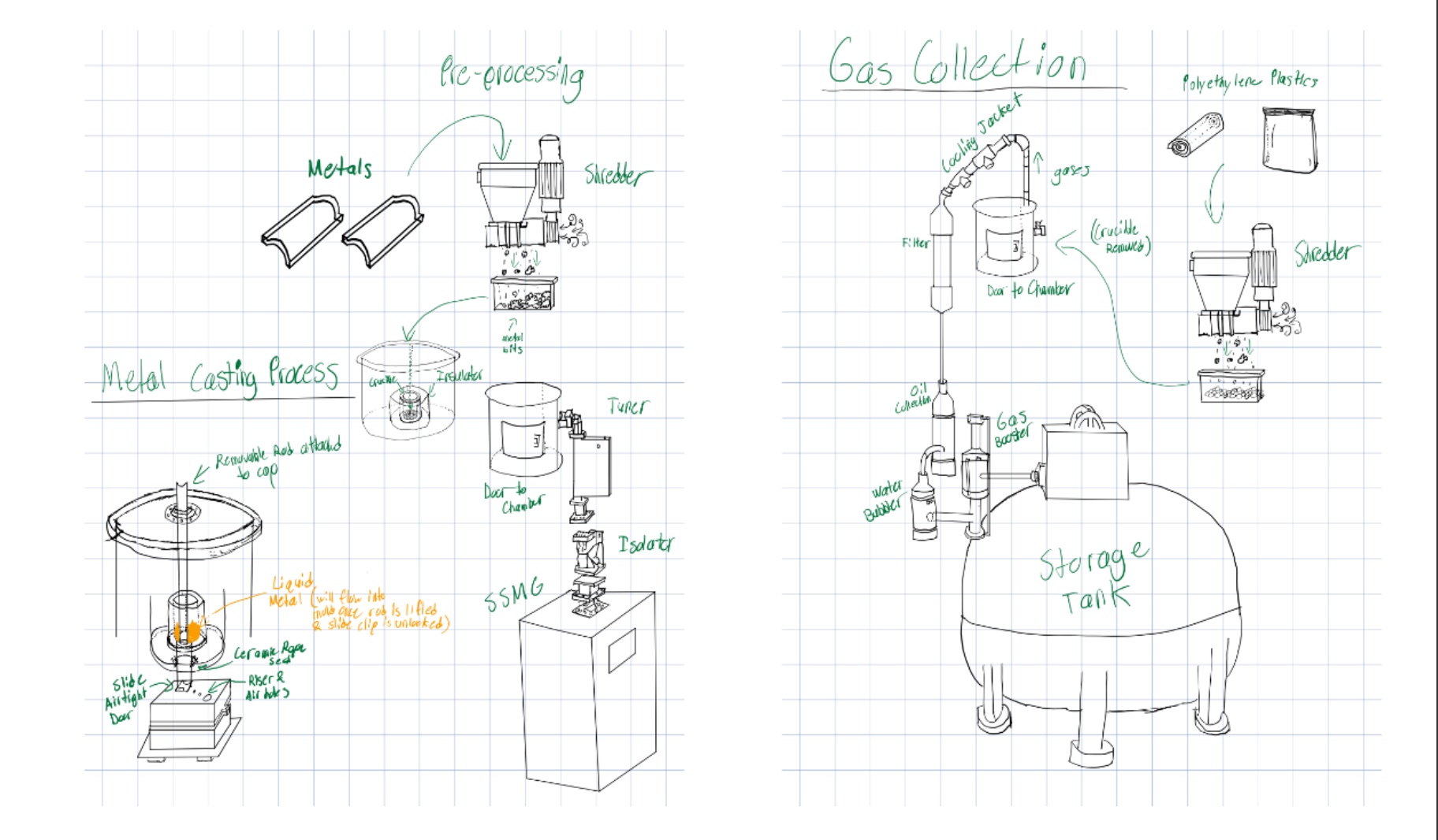
RECLAIM is a microwave-based in-situ recycling system designed for lunar surface operations. Under Penn State's Student Space Programs Lab (SSPL), the team is developing a closed-loop platform that converts inhabitant waste — aluminum, Nomex, textiles, foam, and plastics — into usable feedstock through a three-stage thermal cycle: a 2.45 GHz solid-state microwave generator, dual-path thermal processing (SiC susceptor-coupled smelting for metals, inert-atmosphere pyrolysis for plastics), and automated material handling. The team won $50,000 in NASA's LunaRecycle Phase II; I joined after that win and stepped into the co-lead systems engineering seat for Phase III, which carries a prize ceiling of $1.2M. I own the architecture, requirements flowdown, concept of operations, and cross-subsystem integration driving toward the April 23 PDR.
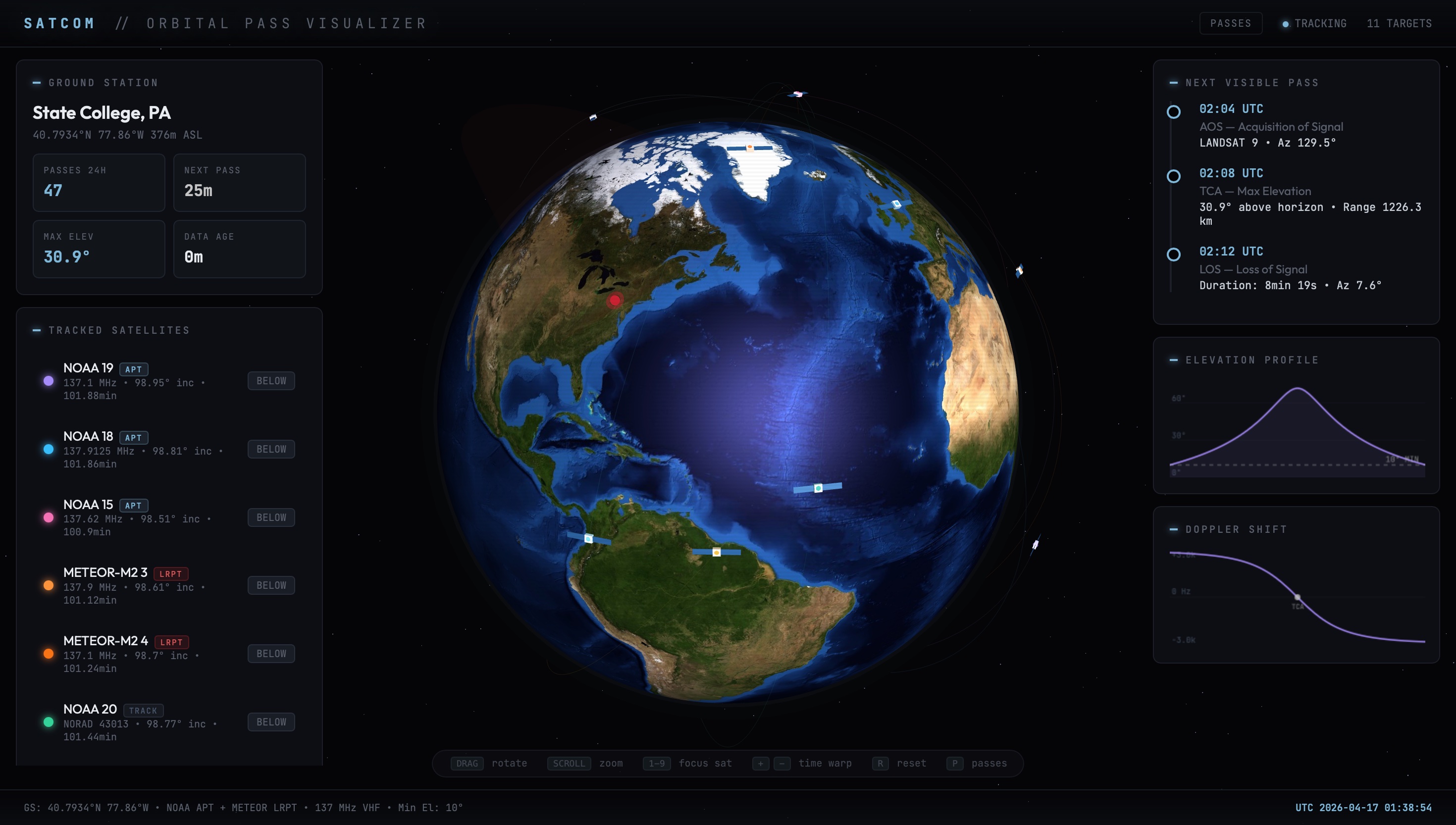
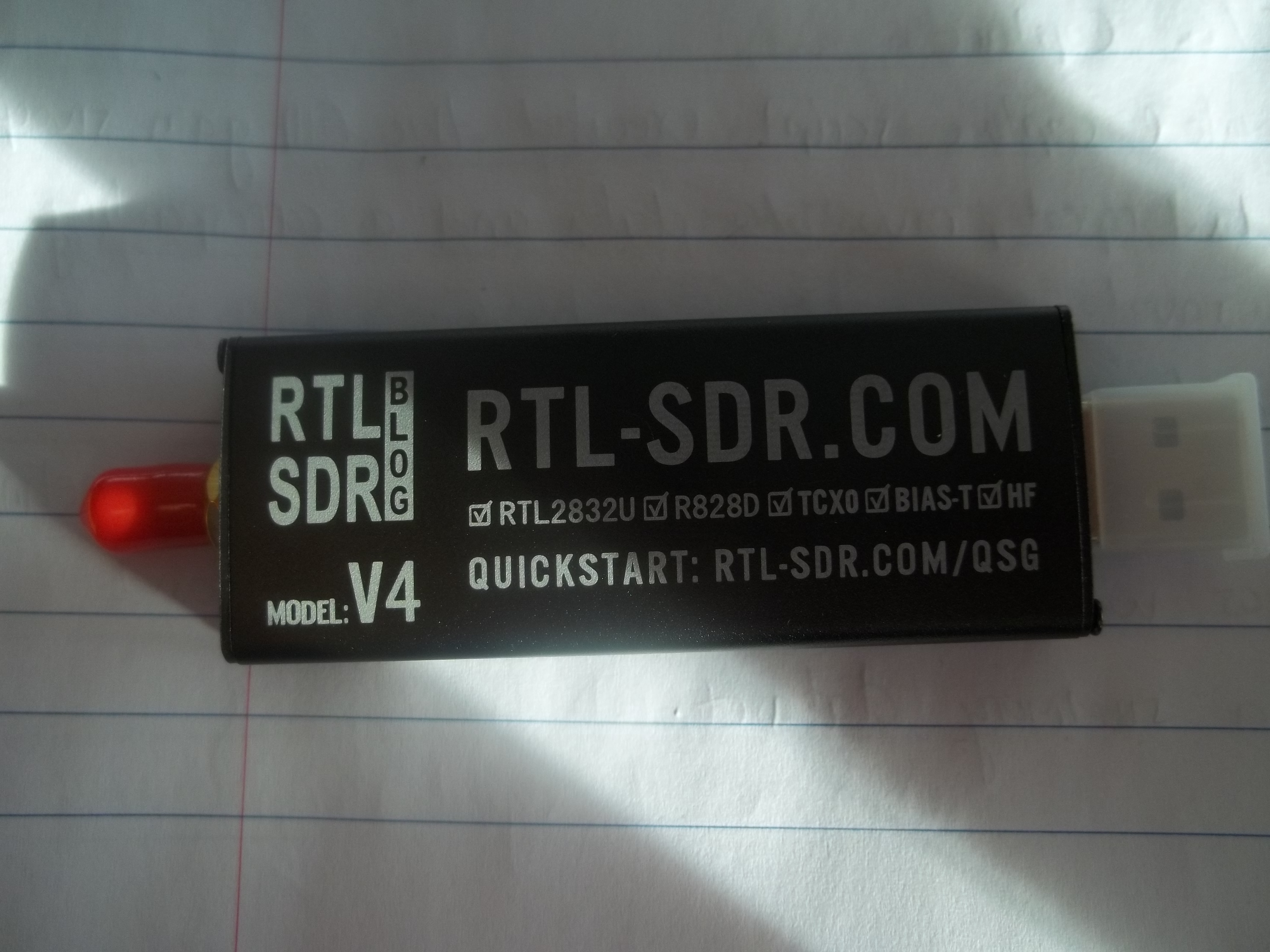
Solo-built autonomous ground station for NOAA APT and METEOR LRPT weather-satellite image reception. Custom VHF antenna, SAWbird LNA, RTL-SDR v4, and a full software pipeline spanning orbital prediction (SGP4), real-time RF capture (C++), APT/LRPT signal decoding (FM/AM and OQPSK → Viterbi → CCSDS → Reed-Solomon), and ML-driven mission planning. A browser-based 3D mission-operations interface built with Three.js tracks 11 spacecraft across 5 constellations — NOAA, METEOR, ISS, Terra/Aqua, and Landsat — with live AOS/TCA/LOS prediction, elevation profiles, and Doppler shift.
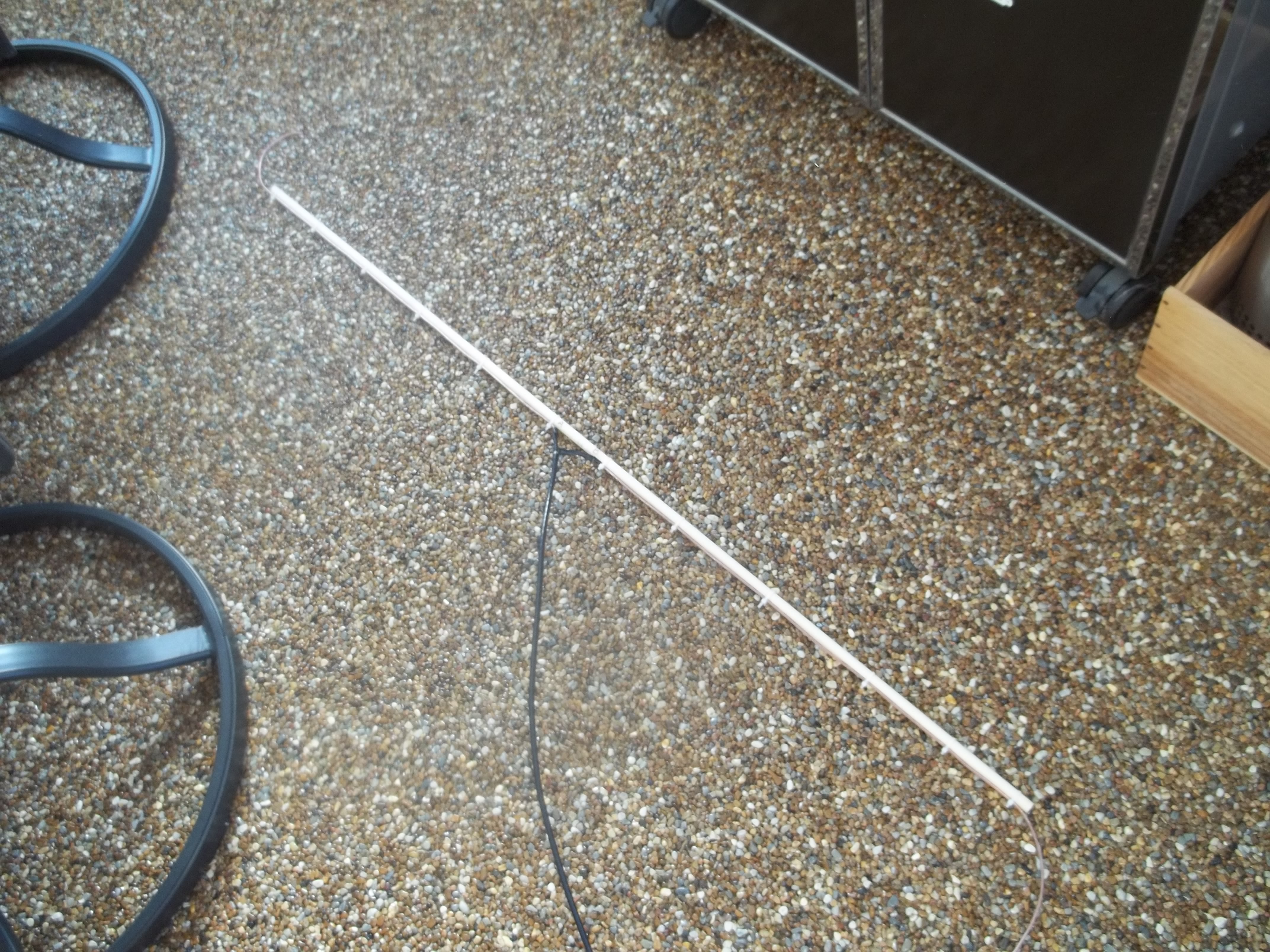
End-to-end FM-band RF receive system: custom-fabricated dipole antenna (coax feed, SMA interface, empirically tuned length), MATLAB DSP pipeline using comm.SDRRTLReceiver, and a structured five-stage verification campaign (V0 SDR sanity → V1 end-to-end RF → V2 orientation/placement sensitivity → V3 FM demodulation with intelligible audio recovery → V4 quantitative gain-sweep characterization). Receiver behavior quantified via PSD peak, noise floor, and SNR-like metrics. All results from physical hardware, not simulation.
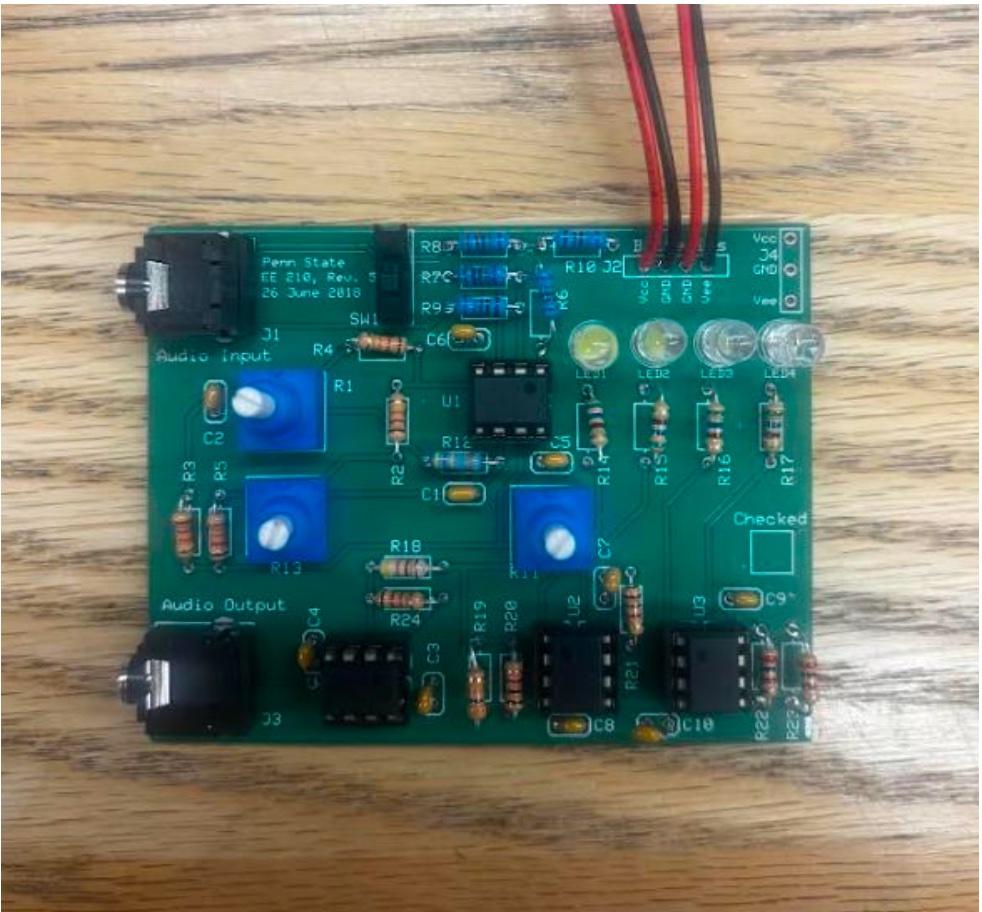
Five-block analog audio system: stereo mixer with karaoke vocal cancellation, Baxandall tone control (bass/treble shelving), variable volume stage, 4-level LED VU display, and headphone output buffer. Designed in Multisim, prototyped on breadboard, fabricated onto PCB with LF412CP op-amps, verified through bench testing with function generator and oscilloscope.
Designed and procured an experimental setup for non-invasive frost imaging using thermal and optical sensing. Developed LabVIEW data acquisition systems for supercritical CO2 loop instrumentation. Staged integration of new accumulators, thermocouples, and sensors into a two-phase heat transfer loop. Performed system-level modeling of Navy chiller systems, collaborating across cross-domain subsystems.
Planning undergraduate senior thesis research in space communication systems and software-defined radio, building on the autonomous ground-station work and the SSPL QFH antenna effort. Targeting completion in the 2026–27 academic year.